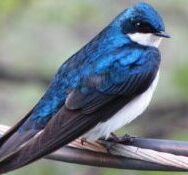
Over the last few years, you may have noticed fewer tree swallows competing for your nest boxes' occupancy, while you earnestly hope to attract a bluebird pair on your open land. Populations of birds that eat flying insects have been dropping at an alarming rate, especially in northeastern North America.
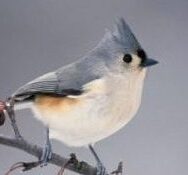
Years ago the titmouse was deemed a southern bird, often only experienced below the Mason Dixon line. But the tufted titmouse pair visiting my feeder occasionally reminds me this small relative of the chickadee is still expanding its range in New Hampshire.
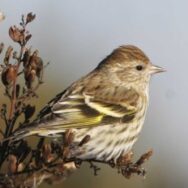
Acrobatic as well as aggressive, the versatile pine siskin will feed from tube feeders, trays, or globe feeders, thistle sacks, and occasionally on the ground for spilled seed there. They balance easily on the many diverse swaying devices we put out for winter birds we enjoy attracting. Where they appear is always a surprise. It's all about the availability of the local food supply.
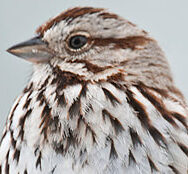
Although song sparrows are partly migratory--depending upon the severity of the winter experienced--I welcome them back as early as I can see them. How far this little sparrow migrates may only be a few days’ flying time away.
NEWSLETTERS >